
There’s something incredibly satisfying about biting into a perfectly crafted sausage. That snap of the casing, the burst of flavor, the ideal texture—it’s a culinary art form. But have you ever wondered how that delicious sausage gets from chunks of meat to the neatly linked product on your grill?
While traditional methods are still cherished, modern sausage production relies on a suite of specialized equipment to ensure consistency, efficiency, and quality. Let’s walk through the key steps and the machines that make it all possible.
Step 1: The Perfect Chop – The Bowl Cutter
It all starts with the meat. Whether it’s pork, beef, chicken, or a blend, the first step is achieving the right texture. This is where the Bowl Cutter becomes the star of the show.
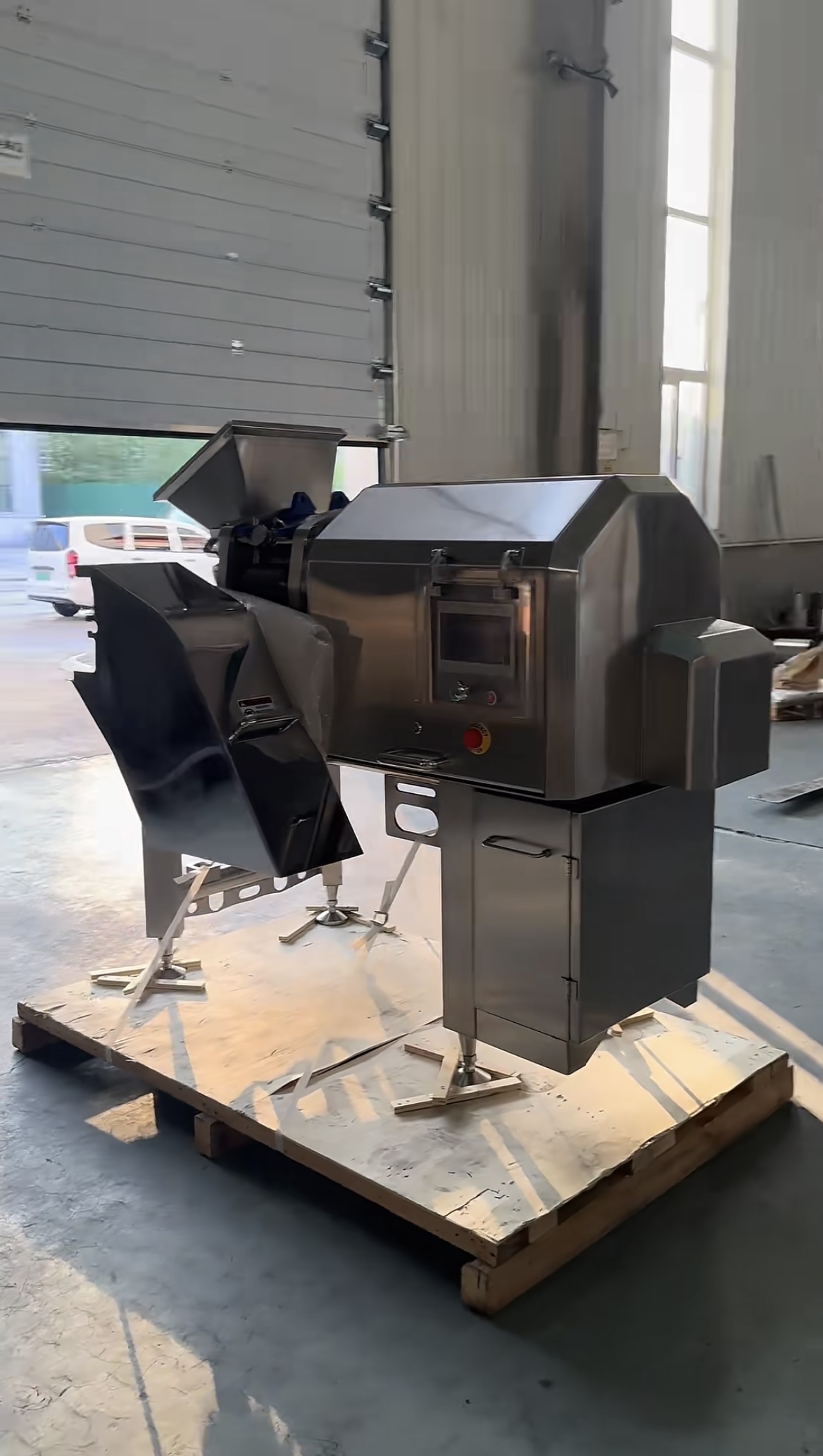
This powerful machine features a large, rotating bowl and a set of sharp, high-speed blades that spin in the opposite direction. It doesn’t just mindlessly grind the meat; it precisely chops and mixes the meat, fat, and seasonings into a homogenous emulsion. This process is crucial for controlling the final texture of sausages like frankfurters or bologna. The bowl cutter ensures every single bite is perfectly consistent.
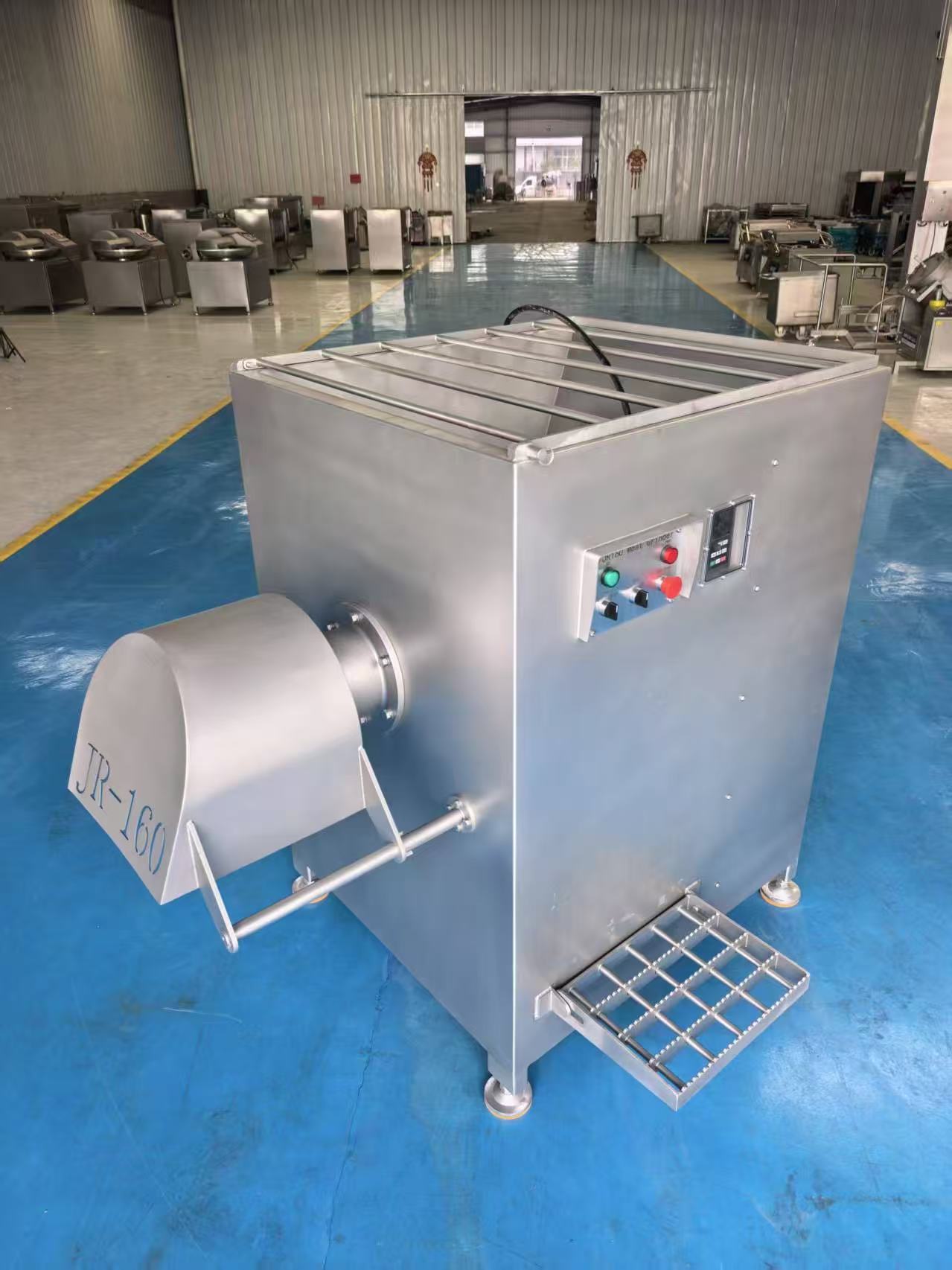
Step 2: The Initial Grind – The Meat Mincer
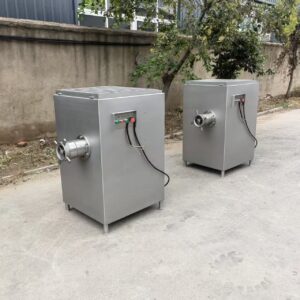
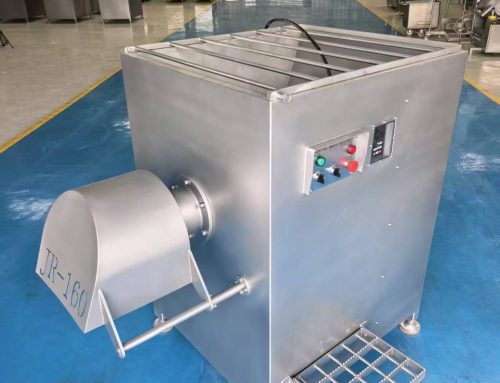
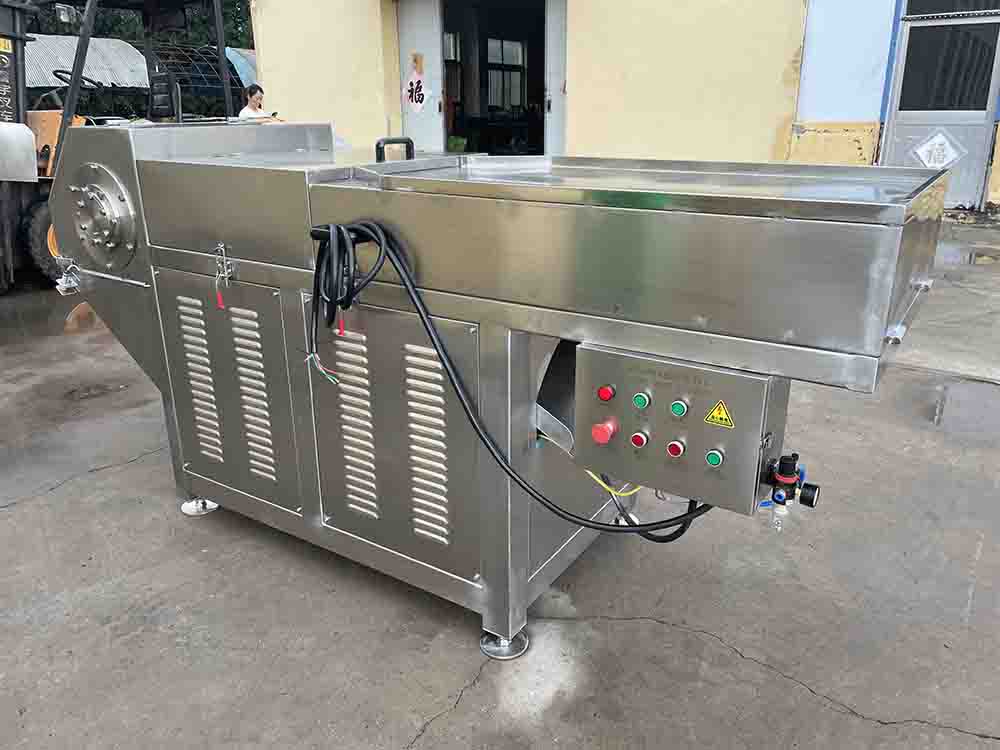
For coarser sausages, like Italian sausages or bratwurst, a Meat Mincer (or meat grinder) is often the first tool used. This workhorse machine forces chunks of meat and fat through a perforated plate, called a die, using a rotating auger. The size of the holes in the die determines the fineness of the grind. This step breaks down the meat before spices and other ingredients are added for mixing.
Many operations use a mincer first for a basic grind and then transfer the meat to the bowl cutter for final emulsification and mixing.
Step 3: The Main Event – The Sausage Making Machine
Now for the magic! The mixed and prepared meat emulsion is loaded into the hopper of the Sausage Making Machine. This versatile piece of equipment is often a combination stuffer and linker, but its core function is Sausage Filling.
Using a powerful vacuum pump or a piston, the machine pushes the meat mixture through a filling tube (called a horn) directly into the sausage casings. This vacuum action is key—it removes air pockets, preventing voids and ensuring a tight, consistent fill that looks great and cooks evenly.
Step 4: Sealing the Deal – The Sausage Clipper
Once the casing is filled to the desired length, it needs to be sealed. Twisting by hand is an option, but for speed and a secure, hygienic seal, nothing beats a Sausage Clipper.
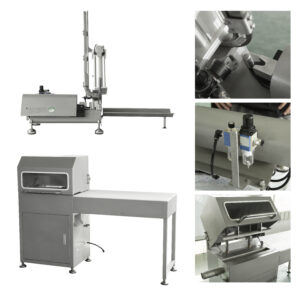
This handy tool uses aluminum clips to pinch and close the end of the casing. For linked sausages, the filled casing is gathered and twisted at intervals, and clips are applied at both ends of each sausage after they are twisted. This creates a perfect, professional-looking seal that holds up during cooking, giving you that satisfying “snap.”
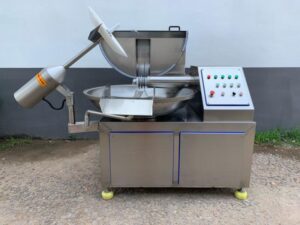
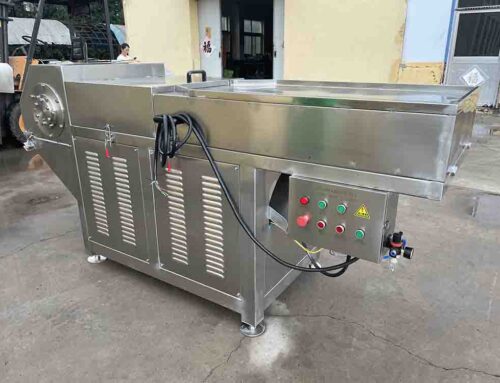
bowl cutter
The Final Product
From there, the sausages might be smoked, cooked, or packaged fresh, ready to find their way to your kitchen.
So, the next time you enjoy a sausage, remember the fascinating engineering and precision behind it. That perfect link is a symphony of machinery—from the powerful Bowl Cutter creating the blend to the efficient Sausage Clipper sealing in all the flavor.
What’s your favorite type of sausage to make or grill? Let me know in the comments!
Leave A Comment