Summary
Frozen meat grinders revolutionize meat processing by eliminating thawing delays, improving food safety, and maintaining product quality.
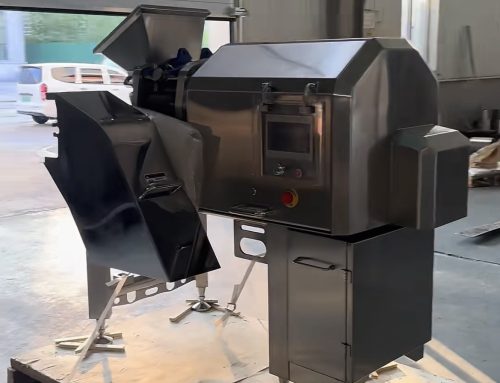
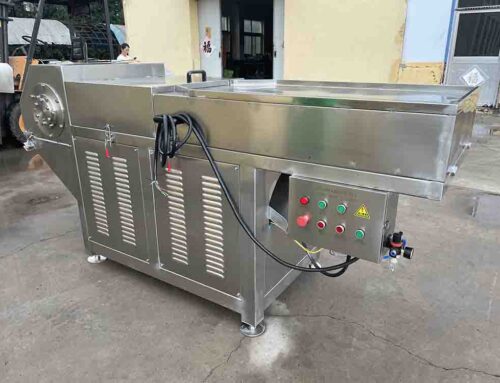
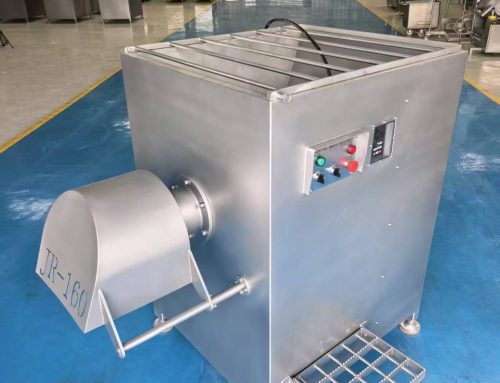
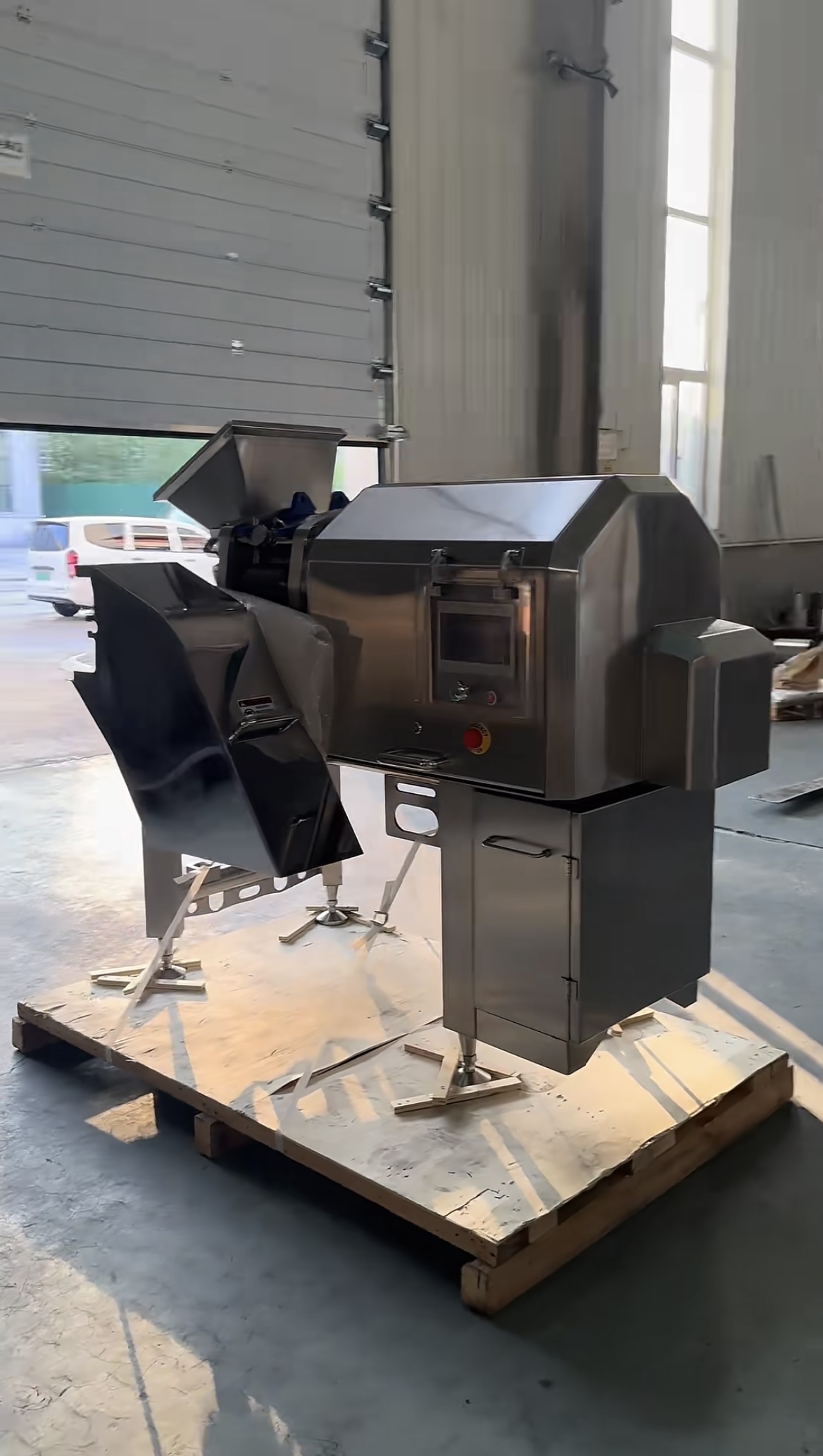
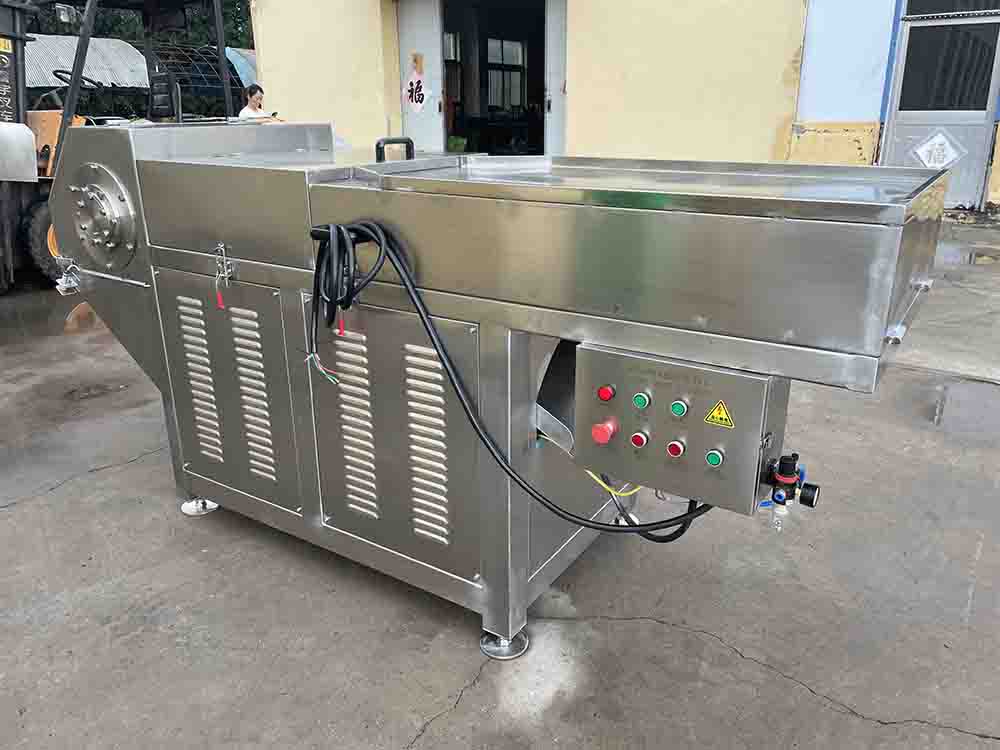
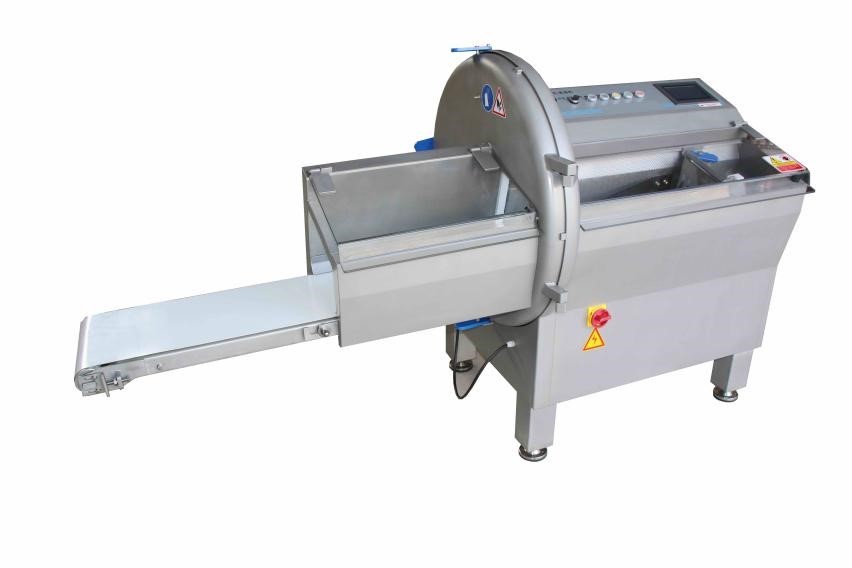
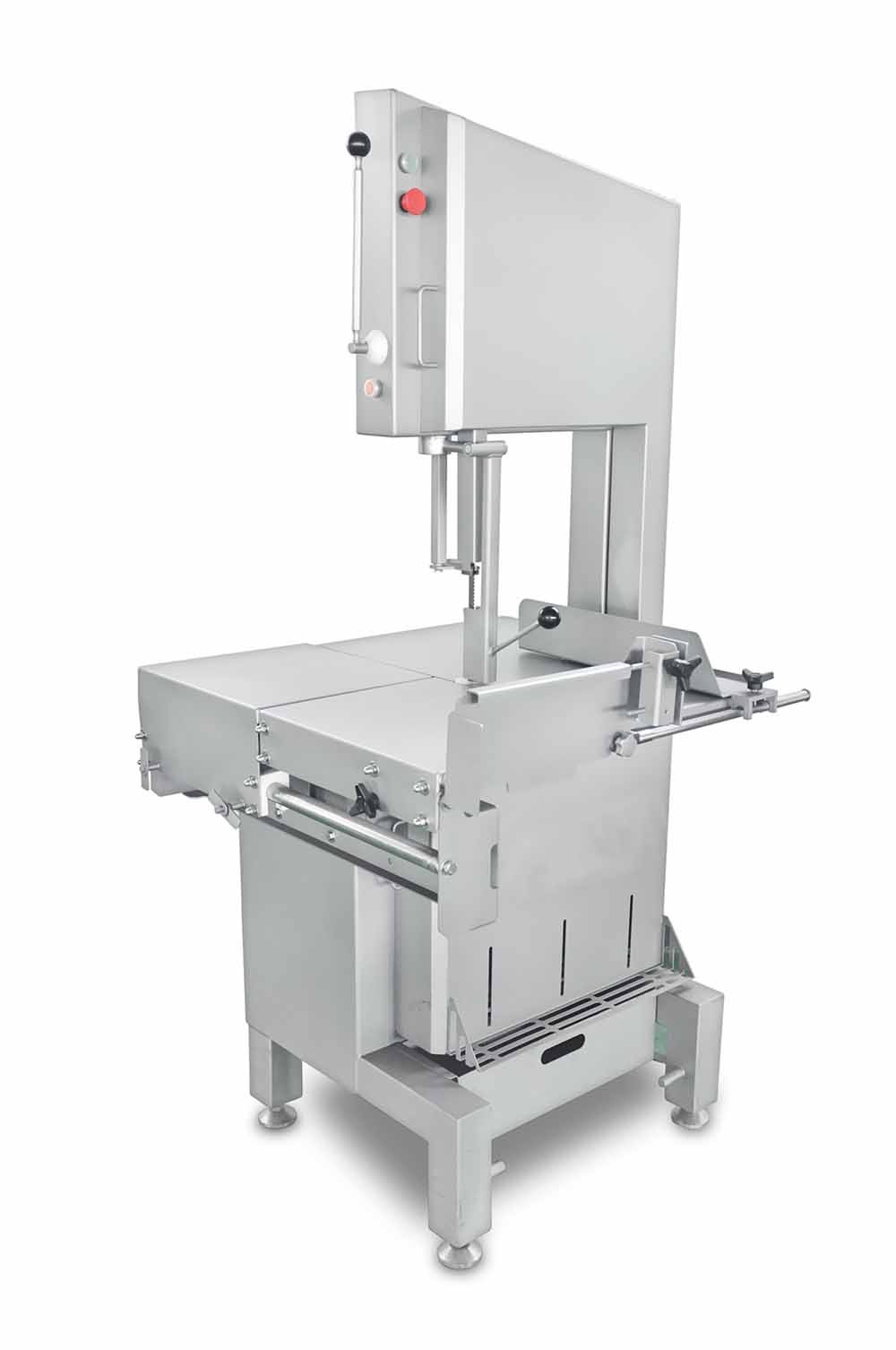
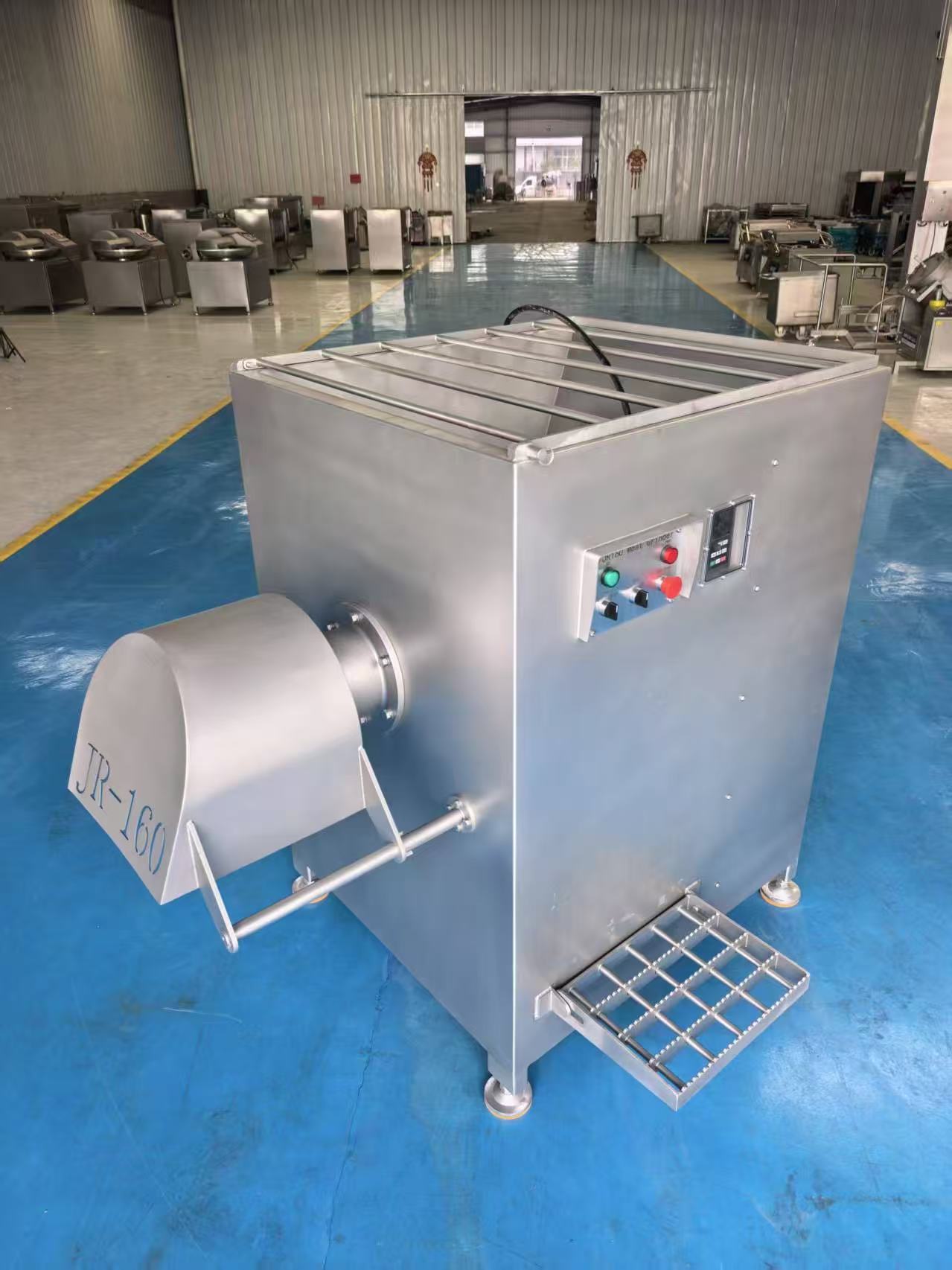
Frozen meat grinders are essential equipment in the meat processing industry, offering efficiency, versatility, and superior meat quality preservation. Unlike conventional grinders, these machines can process meat directly from frozen states (as low as -18°C), eliminating the need for thawing and reducing bacterial growth risks. This blog explores their key features, benefits, proper frozen meat handling techniques, and ideal applications.
Key Features of Frozen Meat Grinders
Direct Frozen Meat Processing
Unlike traditional grinders, frozen meat grinders can handle meat straight from the freezer, maintaining freshness and reducing thawing time13.
This feature is particularly useful for large-scale meat processing plants where efficiency is critical.
Low Temperature Rise During Grinding
The grinding process generates minimal heat, preserving meat texture and preventing protein degradation16.
This ensures better product quality for sausages, hamburgers, and other processed meats.
Reversible Function & Anti-Blocking Design
Many models feature a reverse function to prevent clogging, ensuring smooth operation even with tough cuts or frozen meat blocks110.
Adjustable Grinding Plates for Customization
Different perforated plates (3mm–16mm) allow for varying meat textures, catering to different product requirements (e.g., fine mince for sausages vs. coarse for burgers)36.
Stainless Steel Construction for Hygiene
Food-grade stainless steel (SUS304) ensures durability, corrosion resistance, and compliance with food safety standards310.
Best Practices for Handling Frozen Meat
1. Proper Freezing Techniques
Flash Freezing vs. Slow Freezing:
Flash freezing (using industrial freezers at -30°C or below) creates smaller ice crystals, minimizing cell damage and preserving meat texture4.
Slow freezing leads to large ice crystals, rupturing muscle fibers and causing moisture loss upon thawing.
Optimal Storage Conditions:
Store meat at -18°C or lower to prevent freezer burn and bacterial growth7.
Use vacuum-sealed packaging to reduce oxidation and extend shelf life.
2. Thawing Methods (When Necessary)
While frozen meat grinders eliminate the need for thawing, some scenarios may require partial thawing:
Refrigerator Thawing (Best Method):
Transfer frozen meat to the fridge (4°C) 24–48 hours before grinding for a controlled thaw9.
Avoid Room Temperature Thawing:
This promotes bacterial growth and increases the risk of spoilage9.
Applications of Frozen Meat Grinders
Meat Processing Plants
Ideal for producing sausages, hot dogs, and burger patties with consistent texture310.
Pet Food Manufacturing
Efficiently grinds frozen meat, bones, and skin for high-protein pet food formulations3.
Restaurants & Commercial Kitchens
Enables on-demand grinding of frozen meat, reducing waste and ensuring freshness6.
Fish & Poultry Processing
Capable of grinding frozen fish fillets, chicken, and turkey for nuggets, fish cakes, and more3.
Conclusion
Frozen meat grinders revolutionize meat processing by eliminating thawing delays, improving food safety, and maintaining product quality. Their ability to handle frozen meat directly reduces bacterial risks while enhancing efficiency in industrial and commercial settings. By following proper freezing and grinding techniques, businesses can maximize yield, minimize waste, and deliver superior meat products to consumers.
For those in the meat industry, investing in a high-quality frozen meat grinder is a game-changer—ensuring faster production, better hygiene, and premium end products.
Would you like recommendations on specific models or maintenance tips? Let us know in the comments!